Can you put a new roof over old shingles in Georgia?
Sometimes, but not always. Georgia’s home building code is based on the International Residential Code, which does not allow a new layer over a roof that already has two or more layers, is water-soaked or badly deteriorated, or is covered in slate, clay or cement tile. Even when a layover is allowed, a full tear-off is often the better choice.
Let’s unpack what that means for your home.
What is a roof layover?
A layover, also called a “re-cover” or “overlay,” is when new shingles go right on top of the old ones instead of tearing the old roof off first. It’s quicker and creates less mess, so it can look tempting.
What the building code says
Georgia uses statewide building codes. For one- and two-family homes, the code is based on the International Residential Code (IRC), and Georgia’s current version is the 2024 IRC with state amendments, effective January 1, 2026. The 2026 Georgia amendments don’t change the IRC’s re-roofing section.
The IRC’s re-roofing rules (Section R908) start from the idea that a roof replacement removes the old roofing down to the roof deck. A re-cover over the old roof is allowed only in certain cases, and it is not allowed when:
- The existing roof or roof covering is water-soaked or has deteriorated so much that it isn’t a good base
- The existing roof covering is slate, clay, cement or asbestos-cement tile
- The roof already has two or more layers of roof covering
Your local building department enforces these rules, so if you’re unsure about your home, ask your roofer or the county.
The pros of a layover
- It can cost less up front because there’s no tear-off or disposal.
- It usually goes faster.
- It makes less mess in your yard.
The cons of a layover
- You can’t see the deck. Rot, soft spots and old leak damage stay hidden under the new shingles.
- Extra weight. Another layer adds weight to your roof structure.
- Heat. A second layer can hold more heat, and InterNACHI notes that hot climates drastically reduce asphalt shingle life. That matters in a Columbus summer.
- Flashing and details. Old flashing often gets reused instead of replaced.
- Next time costs more. When the roof wears out, two layers have to come off.
- Warranties. Some shingle warranties have conditions about installing over an old roof. Read the terms.
Why many roofers prefer a tear-off
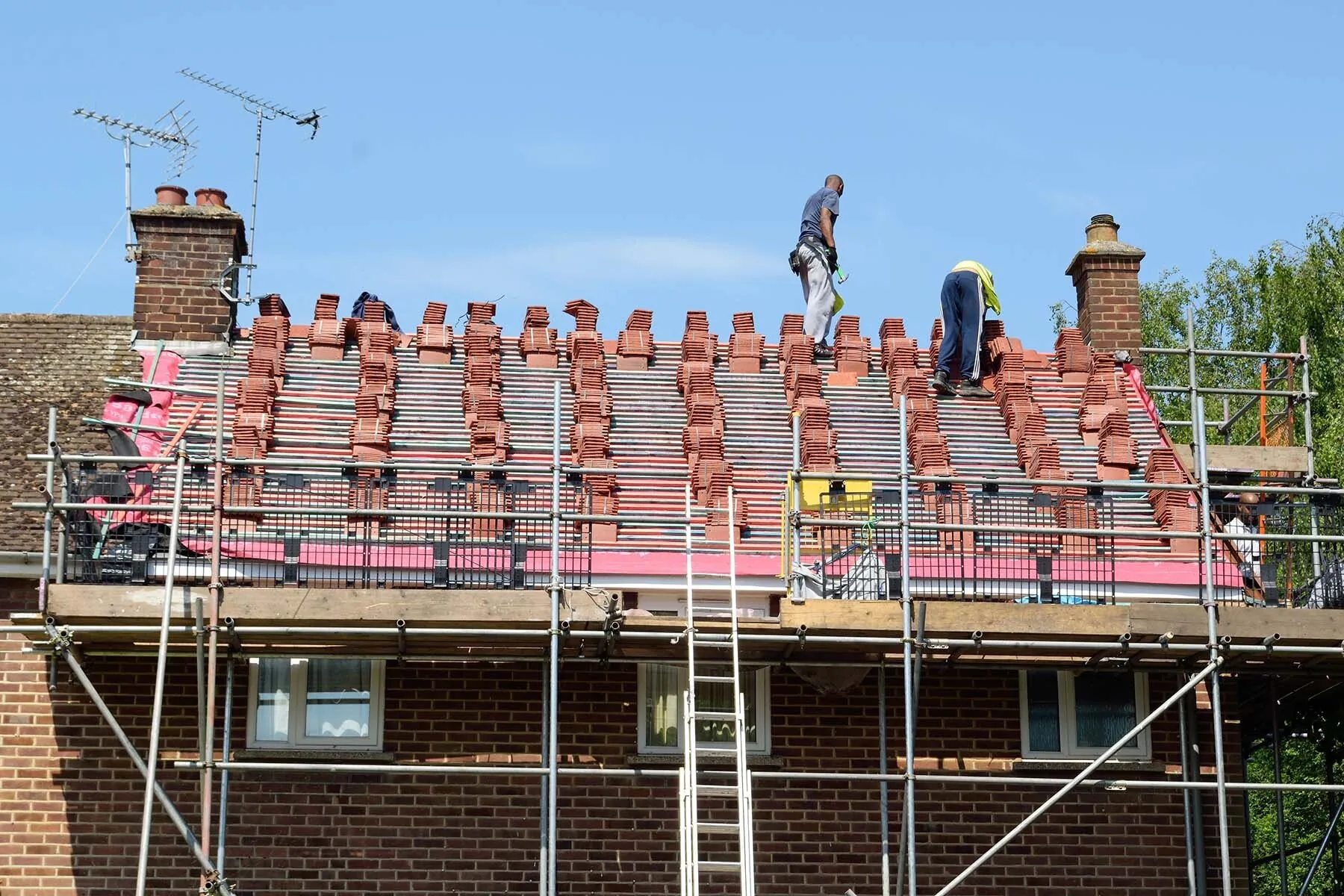
When the old roof comes off, the roofer can check every board, replace damaged decking and put down new underlayment, drip edge and flashing. You start fresh, with no hidden problems. That’s a big reason we usually recommend a full tear-off for roof replacements.
When a layover might make sense
If your roof has only one layer, the deck is solid and dry, and you’re on a tight budget or plan to sell soon, a layover may be an option where the code allows it. A roof inspection will tell you if your roof is a candidate.
What about metal roofs?
Some metal roofing systems can be installed over an existing roof in the right conditions. The same rules about wet or deteriorated roofing still apply. Learn more on our metal roofing page.
Frequently asked questions
How do I know how many layers my roof has?
A roofer can usually tell by looking at the roof edge or lifting a shingle at the eave. It’s one of the things we check during an inspection.
Is a layover cheaper in the long run?
Not always. You save on tear-off now, but the next replacement has to remove two layers, and hidden decking damage can grow under the new roof.
Do I need a permit for a new roof in Columbus?
Read our guide to roofing permits in Columbus, GA.
Get a straight answer for your roof
Buckeye Roofing Columbus GA will inspect your roof and tell you honestly whether a tear-off or another option makes more sense. Call (706) 478-3369 or request a free estimate.
Sources
- Georgia Department of Community Affairs, Georgia State Amendments to the International Residential Code (2024 Edition).
- International Residential Code, Section R908 Re-roofing, as published for Georgia on UpCodes.
- InterNACHI, Standard Estimated Life Expectancy Chart for Homes.