Severe weather can really damage your roof. This can lead to expensive repairs and stress. It’s important to know how to restore your roof after a storm. Regular inspections are essential in assessing your roof’s integrity and monitoring for future issues. This guide will help you understand storm damage, the restoration process, and how to keep your roof safe to protect your home for many years.
Understanding Storm Damage And Roof Restoration
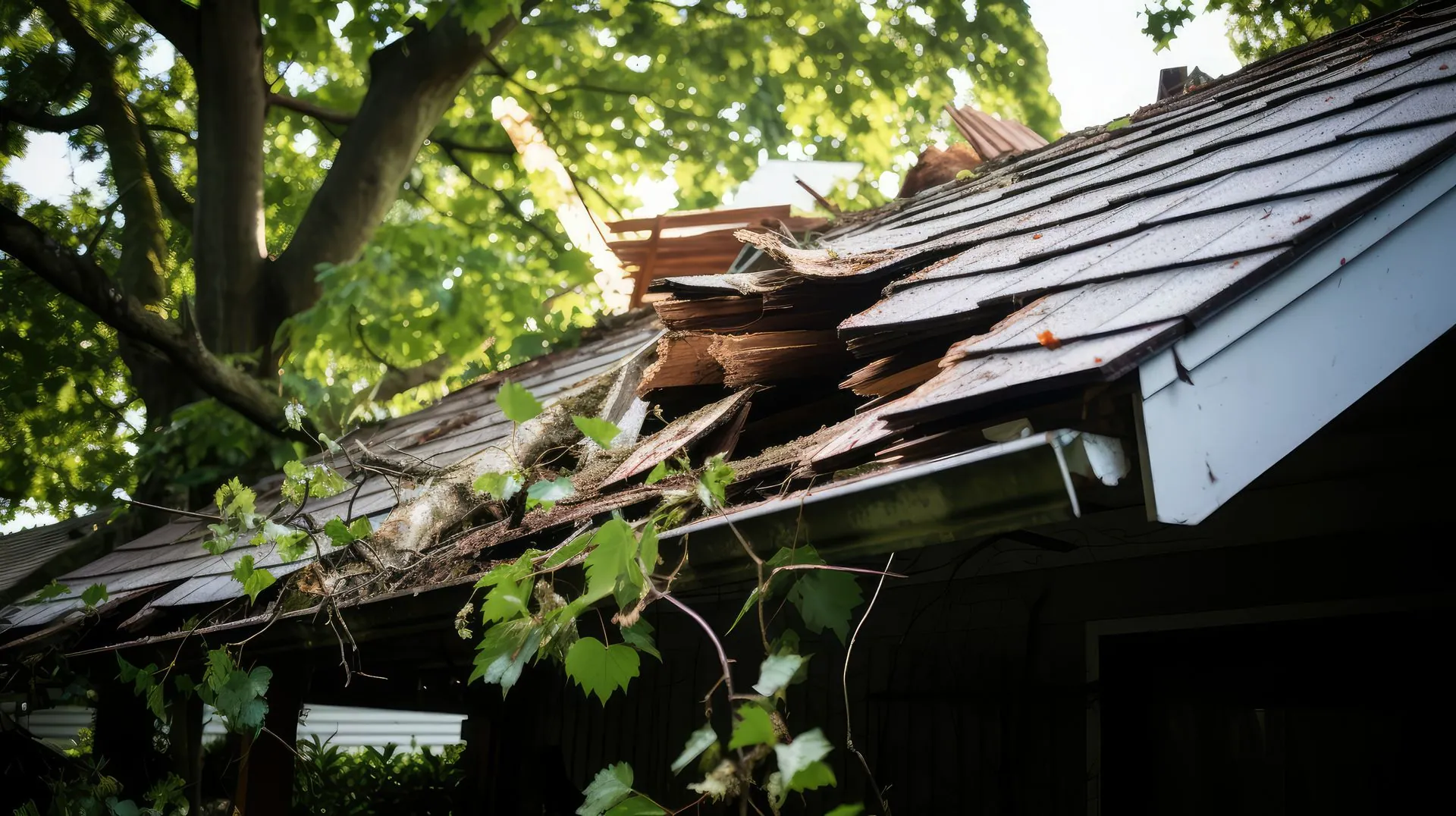
Storms can bring strong winds, hail, and heavy rain. These conditions can hurt the life of your roof in ways homeowners might not see. You may find missing shingles and weak seals. These problems can get worse. They may lead to leaks, rising energy costs, and even structure issues. Roof restoration fixes these problems, helping your roof last longer.
It might be tempting to overlook small damage. However, acting early is a smart choice. Fixing issues now can stop further deterioration. This can save you money and reduce your stress later.
Identifying Signs Of Storm Damage
After a strong storm, it is important to check your roof for damage. Some signs are easy to see, while others may be harder to notice and need a careful look. Watch for:
- Missing or Damaged Shingles: Powerful winds can tear off shingles, making your roof weak. Look for missing, cracked, or curled shingles.
- Leaks and Water Damage: Stains on your ceiling or walls show clear signs of roof leaks. Check your attic for any water damage or wet spots.
- Granules in Gutters: Lots of shingle granules in your gutters mean wear and tear. This is a sign that you need a professional inspection.
- Sagging Roof Deck: A sagging roof deck is a serious problem. It needs quick attention from a professional.
The Importance Of Immediate Action
Ignoring storm damage can seriously hurt your home and your finances. It’s important to act quickly after a storm to stop:
- Further Damage: Small leaks can get worse over time. This could lead to big water damage, mold, and weakened structure.
- Increased Repair Costs: Fixing small problems right away usually costs less than fixing big issues later from ignored damage.
- Voided Warranties: Not taking care of your roof properly, including storm damage, can void your manufacturer’s warranty.
Preparing For Roof Restoration
To make sure your
roof restoration goes well, it’s important to take the right steps first. Here’s what you should do:
- Documenting Damage: Make sure to take clear photos of any damage you see. This will help with your insurance claims and give the roofing contractor the information they need for their evaluation.
- Contacting Your Insurance: Let your insurance company know about the storm damage. This way, you can understand what is covered and start the claims process.
Essential Equipment And Resources
When you hire a professional roofing contractor for your roof restoration, it’s helpful to know about the important equipment and resources they use. This knowledge allows you to ask good questions and helps you make an informed decision, keeping things clear:
- Roofing Materials: It is important to use high-quality roofing materials, like shingles, underlayment, flashing, and seams sealants. These are key for a strong and lasting restoration.
- Safety Equipment: Roofing contractors need to have the right safety gear, like harnesses, ropes, and proper footwear. This ensures they work safely when on high roofs.
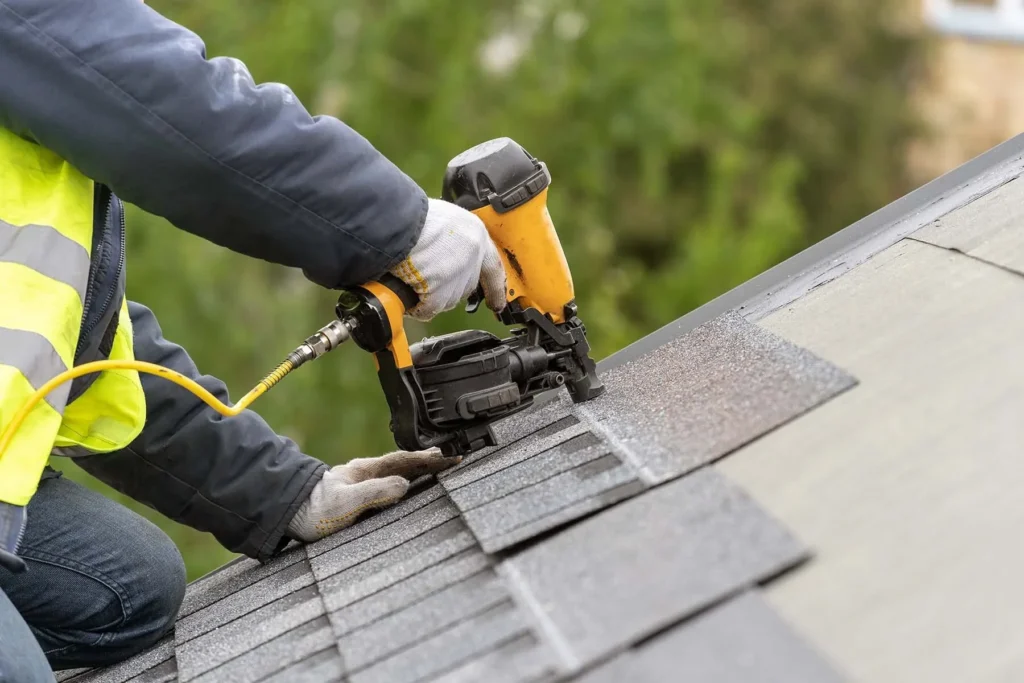
- Tools and Machinery: They should also have specialized tools. This includes things like nail guns, roofing knives, and ladders. A dump trailer may be needed too for removing debris efficiently.
Choosing The Right Materials For Your Climate
Choosing the right roofing materials for your climate and type of roof is very important for how well they work and how long they last. Think about these things: Click
Master Roof Restoration Safety: Buckeye Roofing Guide for more details.
- Energy Efficiency: Light-colored shingles or coatings can reflect sunlight. This helps reduce heat absorption and lower cooling costs, which is especially important in warmer areas.
- Weather Resistance: Pick materials made to handle your area’s usual weather. This could include heavy rain, strong winds, hail, or very high or low temperatures.
- Durability and Lifespan: By selecting strong materials that last a long time, you ensure your roof will be a good investment, providing value and protection for many years.
Step-by-Step Guide To Roof Restoration
Understanding the usual steps in roof restoration helps you know what to expect during the job. While details can change, here is a basic outline:
- First, there is a complete check for damage to find out how much work is needed.
- Next, they will work in a step-by-step way to fix and restore your roof to its best state.
Step 1: Assessing The Damage
A complete damage check is very important for good restoration. This includes:
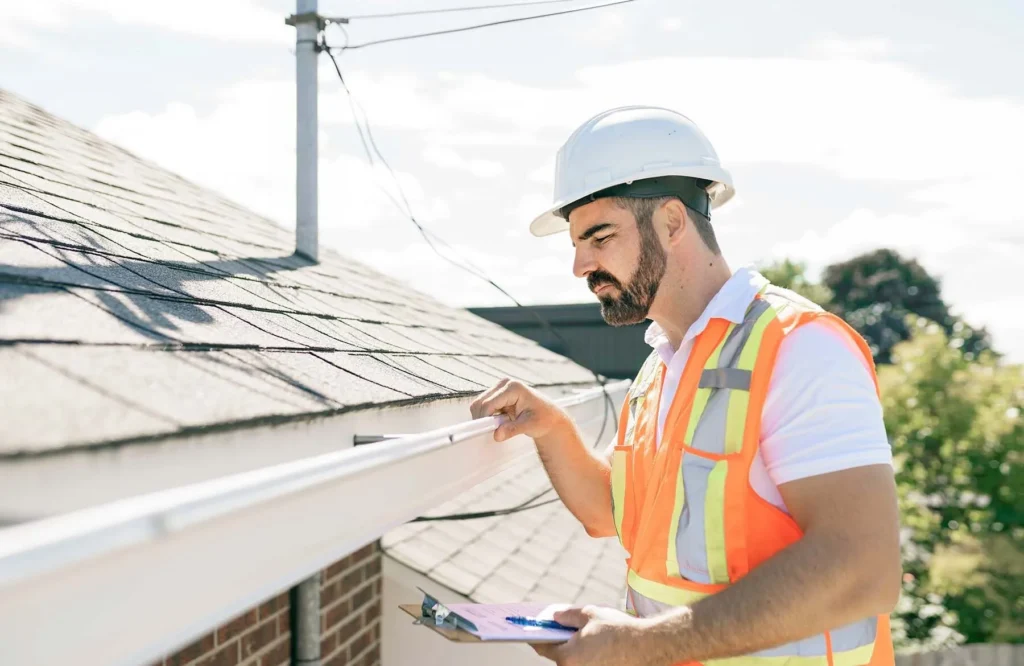
- Inspecting the Entire Roof: A careful look at the whole roof is important. It should check all parts, including flashing, vents, and chimneys, for any damage.
- Identifying Underlying Issues: Skilled roofers search for hidden problems like rot, moisture damage, or structural issues that may be hard to see right away.
- Determining the Scope of Work: After the inspection, the contractor figures out what repairs, replacements, or restorations are needed. They will give you a clear idea of what the project will include.
Step 2: Clearing Debris And Cleaning The Roof
Before repair work starts, the roof must be clear of dirt and debris.
- Removing Debris: This means taking away fallen branches, leaves, damaged shingles, or any other junk that collected during the storm.
- Cleaning the Roof Surface: With the right cleaning methods and solutions, the roof surface gets cleaned. This step is important for the sealants and coatings to stick well.
- Prepping for Repairs: After cleaning, the roof is ready for repairs. This makes the restoration process smooth and effective.
Step 3: Repairing Or Replacing Damaged Areas
This step deals with the damage found, helping to restore the roof’s strength and ability to protect against the weather:
- Repairing Minor Damage: Small issues, like little cracks or loose shingles, can usually be fixed with sealants or by changing single shingles.
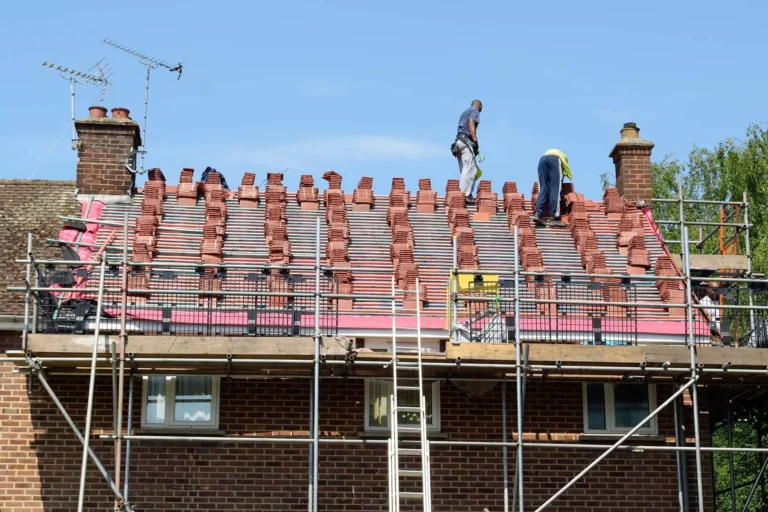
- Replacing Damaged Sections: Bigger damage may need sections of the roof deck, underlayment, or larger areas of shingles to be replaced.
- Considering Full Roof Replacement: If there is severe and widespread damage, getting a full roof replacement might be the best choice for saving money and being practical over time.
Step 4: Applying Protective Coatings
Applying protective coatings adds a layer of protection against future damage, especially when using various commercial roofing materials including modified bitumen. It also helps to make the roof last longer.
- Types of Coatings: There are different types of roof coatings available, such as:
- Silicone Coatings: These are very strong, water-resistant, and resist UV light.
- Acrylic Coatings: These are affordable, flexible, and provide good UV protection.
- Elastomeric Coatings: These are very stretchy and can fill cracks and gaps well.
- Proper Application: Make sure to apply the chosen coating following the manufacturer’s instructions. This will help ensure the best performance and longevity.
When To DIY vs. Hiring a Professional
Doing small roof repairs may seem easy to try yourself, but fixing a roof after storm damage has its cons and is better done by experts. They know how to evaluate the damage, do high-quality work, and keep you safe. This helps you avoid risks and expensive errors.
After identifying the damage to your current roof system, the next step involves restoring its strength and protective capabilities against harsh weather conditions. Repairing minor damages like cracks or loose shingles can be easily managed with sealants or by replacing individual shingles. For more extensive damage, sections of the roof deck, underlayment, or larger areas of shingles may need replacement. In cases of severe and widespread damage, opting for a full roof replacement could be more cost-effective in the long run. Following repairs or replacements, applying protective coatings becomes crucial.
Understanding what you can handle and hiring a skilled contractor make sure your roof restoration is done well and safely.
Evaluating The Scope Of Damage
Don’t overlook the damage that you can’t see. To truly understand the damage, you need experts:
- Identifying Hidden Damage: Experts know how to find damage that isn’t obvious to most people.
- Structural Assessment: Understanding if the storm hurt the roof’s strength needs specialized tools and trained professionals.
- Preventing Future Problems: Fixing all types of damage, both seen and unseen, helps the restoration last longer and stops new issues from coming up.
Safety Considerations And Expertise
Roofing work comes with risks, so safety precautions and skills are important:
- Working at Heights: Professionals know how to work safely at heights. They use the right safety gear and methods to avoid accidents.
- Handling Roofing Materials: Roofing materials can be heavy and hard to manage. It’s important to know how to lift them safely.
- Insurance and Liability: Good roofing contractors have liability insurance. This protects you from paying for accidents or damage.
Why You Need Buckeye Roofing Columbus GA
Choosing the right roofing contractor can really impact how long your roof lasts after restoration.
Buckeye Roofing Columbus GA Georgia, provides:
- Experience and Expertise: Our team has a lot of experience with different roofing projects. This includes fixing roofs damaged by storms. We use the latest techniques and high-quality materials to give you lasting results.
- Commitment to Quality: We focus on doing high-quality work and making sure you are happy. We complete your roof restoration project to the highest standards.
- Comprehensive Roofing Services: We offer many services to meet your specific roofing needs. This includes inspections, repairs, and full roof replacements.
Conclusion
Dealing with storm damage and fixing your roof after bad weather is important for keeping your home safe. You need to act quickly, check things carefully, and use the right materials to restore it well. Whether you want to do it yourself or hire a pro, always think about safety first. Buckeye Roofing Columbus GA knows how to restore storm damage. They can help get your roof back to its best. Don’t wait too long to fix storm damage.
Contact us to keep your home and your family safe.